A scope on paper
Every zone and task written down with its frequency. New crew members are trained against the document, not against memory.
Offices, medical suites, salons, studios and retail floors around South River. We work after hours, follow a documented scope, and give you one person to call when something changes.
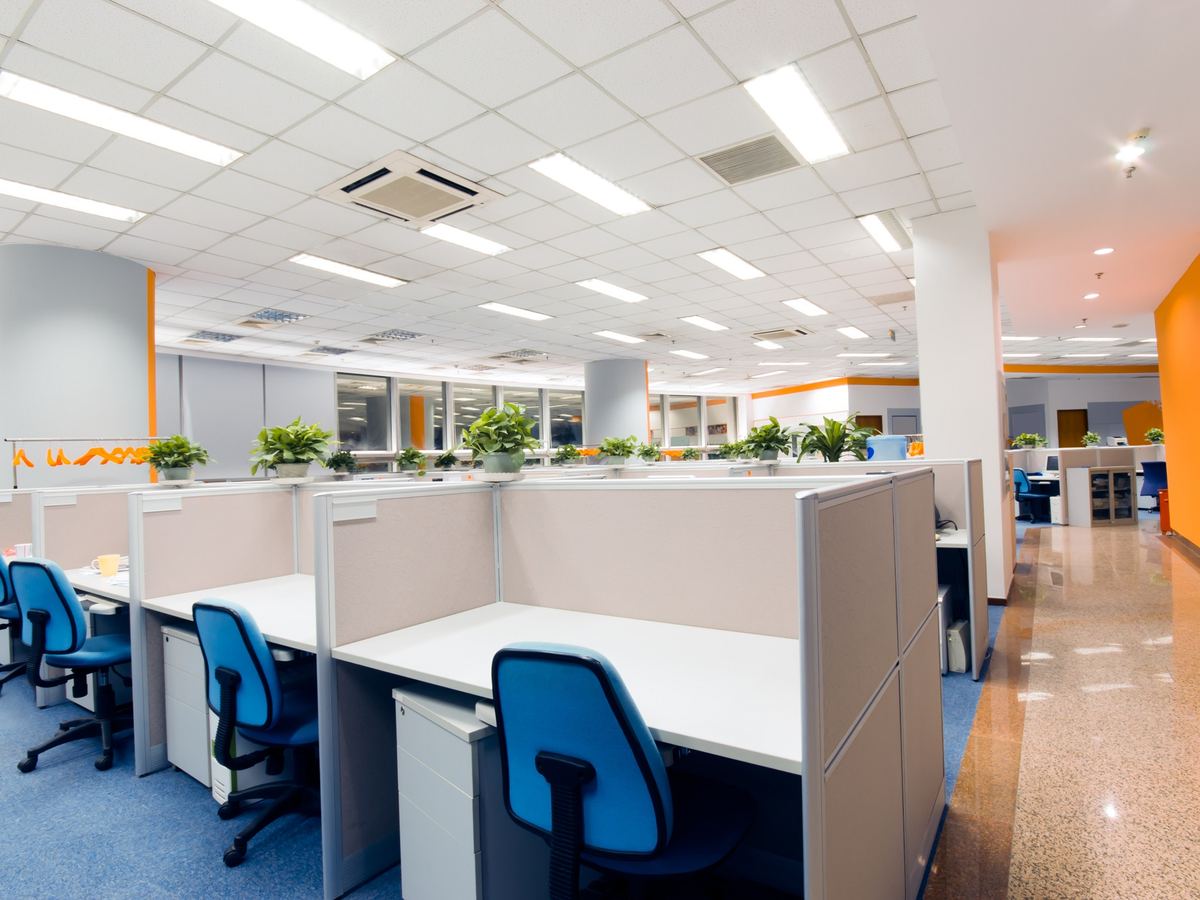
A commercial cleaning contract fails in a predictable way. The first month is excellent. By month three the crew has changed twice, the restroom supplies run out on a Friday, and the office manager is spending an hour a week chasing a vendor who does not answer. Nobody planned that outcome; it is what happens when a scope lives in someone's head instead of on paper.
We handle it as an operations problem. Your scope is a written document listing every zone, every task and how often it happens — nightly, weekly, monthly, quarterly. It covers the obvious areas and the ones that get forgotten: the break room fridge exterior, the glass on the entry door at hand height, the baseboards in the corridor, the vents above the workstations.
Frequency is set by traffic, not by habit. A twelve-person office with a single restroom needs different attention than a retail floor with two hundred visitors a day. We look at your headcount, your foot traffic and your hours, then propose a schedule that matches. Most clients land somewhere between two nights a week and daily service.
Access is planned before the first night. Alarm codes, key handling, badge procedures, which lights stay on, where waste goes, whether the crew can use the freight elevator after nine. We put all of it in the same document, so a crew change never turns into a call to your phone at eleven at night.
You also get a single point of contact. Not a call centre, not a shared inbox — one person who knows your building, answers during business hours, and can make a change stick without a chain of emails.
The parts of a commercial contract that decide whether it lasts three months or three years.
Every zone and task written down with its frequency. New crew members are trained against the document, not against memory.
We work when your team has gone home. No vacuum noise during calls, no wet floors during business hours.
Certificates of insurance on request, background checks on every cleaner, and a signed key and code log.
A named account manager during business hours. Changes get confirmed in writing the same day.
Nightly, three nights a week, or weekly — set by how hard the space is actually used, and adjusted as you grow.
We count what we replace. You stop finding out you are out of paper towels from an employee complaint.
Each zone below carries its own task frequency in your contract document, from nightly to quarterly.
How an account goes from a first site visit to a stable nightly routine, usually within two weeks.
We walk the space during business hours and measure it against how your team actually uses it.
You receive a zone-by-zone document with task frequencies and a flat monthly price.
Keys, codes, alarm sequence and waste routing agreed and recorded in writing.
We service the site and adjust the scope where reality differs from the walkthrough.
A check-in at 30 days and then quarterly, so the scope keeps up with changes in the business.
Plenty of small businesses start by asking staff to tidy up, or by hiring one person directly. On paper it is cheaper. In practice you have absorbed the recruiting, the payroll tax, the workers' compensation exposure, the equipment purchase, the supply ordering, and the coverage problem the first time that person is sick during your busiest week.
A contracted crew moves all of that off your books. Coverage is our problem. Equipment, replacement, insurance and training are our costs. And because our people clean full time, they are faster at it — a two-person crew clears a mid-size office suite in the time it takes one untrained person to do half of it badly.
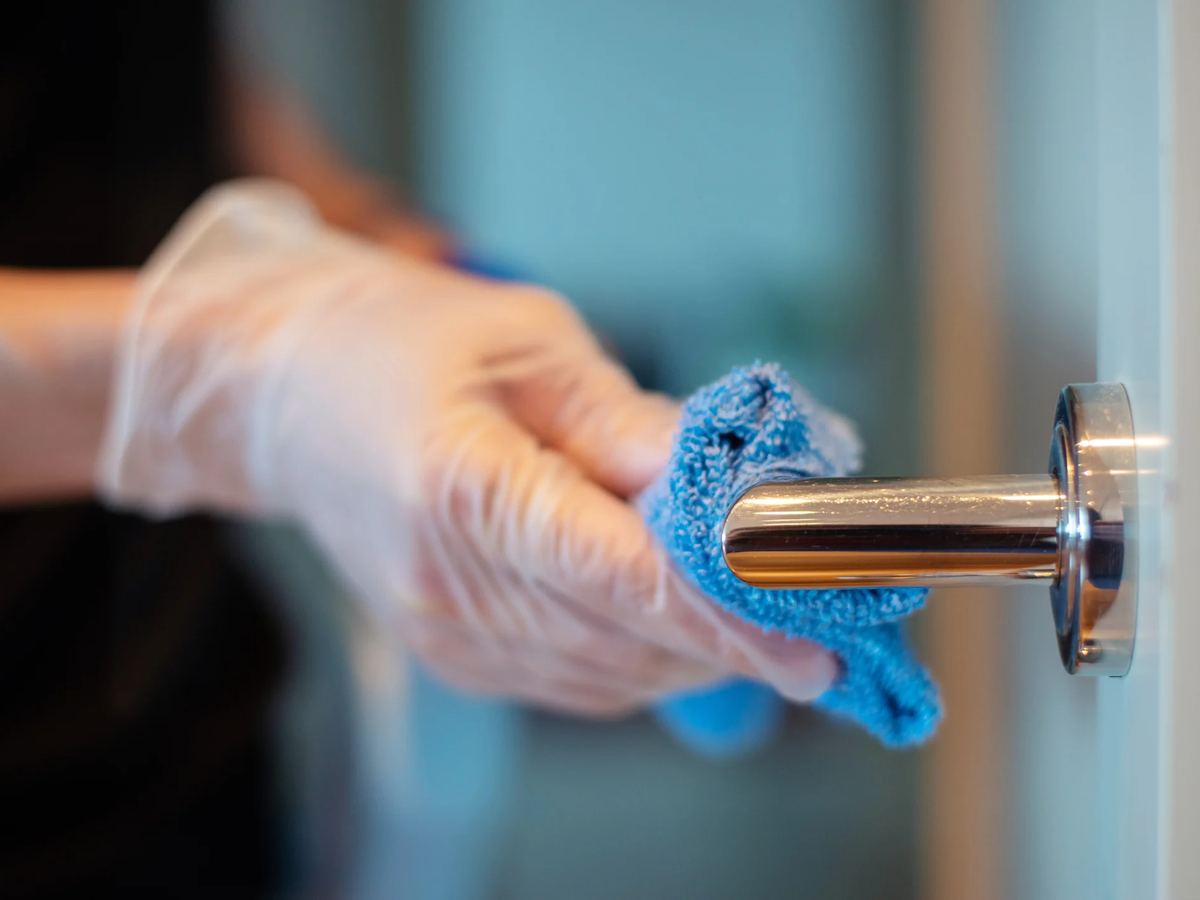
How an after-hours crew is equipped before it enters your building.


Answers for business owners and office managers. General policies are covered on the FAQ page.
After hours in almost every case. Most of our commercial clients are serviced between 6 PM and midnight, or early morning before opening. If your operation runs around the clock we will work out a window that avoids your peak, and we can split zones across different times if that suits the building better.
Yes. We carry general liability coverage and can issue a certificate of insurance naming your landlord or property manager as certificate holder. Most commercial leases require it, so we handle that request often and can usually turn it around within a business day.
We ask for a three-month initial term so there is time to tune the scope, then it continues month to month with 30 days' notice. We do not use long lock-ins. If the service is not working, a contract clause is not going to fix it.
Either way works. Some clients buy their own consumables and we simply stock the dispensers; others prefer we supply them and bill it through. Supplied consumables are itemised separately on the invoice, never buried in the cleaning line.
Yes, as scheduled periodic work rather than part of the nightly scope. Vinyl composition tile in a busy retail space typically needs a strip and recoat once or twice a year, with buffing in between. We quote it separately so you can plan it around a quiet week.
Every key and code is logged to a named person and stored in a locked system, never written down on site. If a crew member leaves the company, the code is rotated and you are notified. We will follow your own security protocol if you have one.
Report it to your account manager and it is corrected on the next service at no cost, or the same night if it is urgent and the building is accessible. We track reported misses per site — a pattern in one zone usually means the scope or the time allocation needs adjusting, not that someone was careless.
Businesses often pair the nightly contract with one of these for periodic work.
Commercial routes run across the whole county, with sites grouped by town to keep crews efficient.
We walk the building during business hours and send back a zone-by-zone document with a flat monthly figure.